Building and Construction Award Pay Rates 2023 PDF: A Comprehensive Guide
Navigating the 2023 building and construction award pay rates requires accessing crucial PDF documents from sources like Fair Work Ombudsman and MBAWA‚ detailing wage increases.
These resources offer detailed guidance on allowances‚ penalty rates‚ and classifications‚ ensuring compliance with the 5.7% wage rise effective July 1‚ 2023.
The 2023 Building and Construction Awards‚ specifically the Building and Construction General On-Site Award 2020 (MA000020) and the Building Construction Residential Award 2020‚ establish the minimum employment standards for workers in this vital sector.
These awards outline crucial details regarding pay rates‚ allowances‚ and working conditions‚ ensuring fair compensation and safe practices across various construction roles. Understanding these awards is paramount for both employers and employees to maintain legal compliance and foster a productive work environment.
Key updates for 2023 include a significant 5.7% wage increase‚ stemming from the Fair Work Commission’s minimum wage review‚ impacting base pay and proportional increases for apprentices. Accessing the official PDF documents from the Fair Work Ombudsman and MBAWA is essential for accurate interpretation and implementation of these changes‚ ensuring everyone is informed about their rights and obligations.
Importance of Understanding Award Pay Rates
Comprehending the 2023 Building and Construction Award pay rates is critical for several reasons. For employers‚ accurate application prevents underpayment issues‚ potential legal disputes‚ and maintains a positive workforce relationship; Utilizing resources like the Fair Work Ombudsman’s Pay Calculator ensures precise calculations of base pay‚ allowances‚ and penalty rates.
For employees‚ knowledge of award entitlements empowers them to verify their pay‚ understand their rights regarding overtime‚ weekends‚ and public holidays‚ and address any discrepancies promptly. The MBAWA provides the Building Construction Residential Award PDF‚ detailing sector-specific conditions.
Ignoring these rates can lead to significant financial penalties and damage to reputation. Staying informed about the 5.7% increase and accessing official documentation is therefore not merely advisable‚ but a legal and ethical necessity for all stakeholders within the building and construction industry.
Sources of Information: Fair Work Ombudsman & MBAWA
The Fair Work Ombudsman (FWO) serves as a primary resource for navigating the complexities of Australian workplace laws‚ including building and construction awards. Their website provides access to the Pay Calculator‚ a valuable tool for determining accurate pay rates‚ allowances‚ and penalty rates based on specific employee details and classifications. The FWO’s pay guides‚ like the one for the Building and Construction General On-Site Award (MA000020)‚ offer clear explanations.
The Master Builders Association of Western Australia (MBAWA) is another key source‚ specifically for the Building Construction Residential Award. MBAWA offers downloadable PDF versions of the award‚ including the 2023 wage increases circular‚ detailing the 5.7% rise and effective dates. These documents provide comprehensive information on sector-specific conditions and employment types.
Utilizing both FWO and MBAWA ensures access to the most up-to-date and reliable information regarding building and construction award pay rates.
Key Awards in the Building and Construction Industry
Essential awards include the Building and Construction General On-Site Award 2020 (MA000020) and the Building Construction Residential Award 2020‚ impacting pay rates.
Building and Construction General On-Site Award 2020 (MA000020)
The Building and Construction General On-Site Award 2020 (MA000020) governs a broad spectrum of construction work‚ establishing minimum employment conditions for general on-site employees.
Fair Work Ombudsman provides a detailed pay guide PDF (accessed February 24‚ 2026) outlining base pay rates‚ allowances‚ and penalty rates applicable under this award.
This award covers tasks like site preparation‚ carpentry‚ plumbing‚ and general labor‚ with pay determined by classification and skill level.
The 5.7% wage increase‚ effective from the first full pay period on or after July 1‚ 2023‚ applies to all covered employees‚ ensuring fair compensation for their work.
Utilizing the Fair Work Ombudsman’s Pay Calculator is crucial for accurate wage calculations‚ factoring in all relevant components.
Building Construction Residential Award 2020
The Building Construction Residential Award 2020 specifically addresses construction activities related to residential buildings‚ defining scope and wage standards for this sector.
According to the MBAWA document (dated July 1‚ 2023)‚ this award applies to construction of single or dual occupancy homes‚ limited to buildings with less than five floor levels.
The award experienced a 5.7% wage increase following the Fair Work Commission’s 2023 Minimum Wage Review‚ impacting all covered employees‚ including apprentices who receive proportional increases.
Understanding the “Residential Construction Sector” definition is vital for correct award application‚ ensuring employees are covered under the appropriate guidelines.
Employers already paying above the award wage are not required to provide an additional increase‚ simplifying compliance with the updated pay rates.

2023 Award Increases: A 5.7% Rise
The Fair Work Commission’s 2023 review resulted in a 5.7% wage increase for building and construction awards‚ impacting both base rates and apprenticeships.
Impact of the Fair Work Commission’s Minimum Wage Review
The Fair Work Commission’s 2023 Minimum Wage Review directly influenced the adjustments to pay rates within the building and construction sector‚ leading to a substantial 5.7% increase across most awards. This review considered economic factors‚ inflation‚ and the needs of both employees and employers.
Specifically‚ the review assessed submissions from various stakeholders‚ including unions‚ employer associations like MBAWA‚ and government bodies‚ to determine a fair and sustainable wage adjustment. The resulting increase aimed to balance supporting workers with maintaining business viability.
This decision impacted not only base wage rates but also proportionate increases for apprentices‚ ensuring their wages also reflect the cost of living adjustments. Employers were required to implement these changes from the first full pay period on or after July 1‚ 2023‚ necessitating updates to payroll systems and award interpretations.
Effective Date of Wage Increases: First Full Pay Period
The 5.7% wage increases‚ stemming from the Fair Work Commission’s review‚ weren’t implemented immediately on July 1‚ 2023. Instead‚ the changes became effective from the first full pay period commencing on or after this date. This means employers needed to identify the start of their specific pay cycle to correctly apply the new rates.
Understanding this “first full pay period” rule is crucial for compliance. A pay period is defined as the regular interval at which employees receive their wages – weekly‚ fortnightly‚ or monthly. Any portion of a pay period falling before July 1st would be paid at the previous rates.
Employers were advised to consult their payroll providers and relevant award documentation (like the Building Construction Residential Award PDF) to accurately determine the effective date for their workforce‚ avoiding under or overpayment of wages.
Understanding Pay Components
Pay comprises base rates determined by classification‚ plus allowances for specific work. Penalty rates apply for overtime‚ weekends‚ and public holidays‚ as detailed in the PDFs.
Base Pay Rates: Determining Your Classification
Establishing the correct base pay rate hinges on accurately identifying your job classification within the Building and Construction General On-Site Award 2020 (MA000020) or the Building Construction Residential Award 2020.
These awards categorize workers based on skill level and responsibilities‚ with corresponding hourly rates detailed in the official PDF documents available from the Fair Work Ombudsman and MBAWA.
Carefully review the award’s classification descriptions to ensure alignment with your duties. Common classifications include laborers‚ trade assistants‚ carpenters‚ plumbers‚ electricians‚ and supervisors.
The Fair Work Ombudsman’s Pay Calculator (linked in their pay guide PDF) can assist in determining the appropriate rate once your classification is confirmed; Remember the 5.7% increase applied from the first full pay period on or after July 1‚ 2023‚ impacts all base rates.
Allowances: Additional Payments on Top of Wages
Beyond base pay‚ building and construction workers may be entitled to various allowances‚ as outlined in the relevant award PDFs from Fair Work Ombudsman and MBAWA. These allowances compensate for specific working conditions or expenses.
Common allowances include travel allowances for commuting to different work sites‚ tool allowances for maintaining necessary equipment‚ and wet weather allowances for working in inclement conditions.
The award documents detail eligibility criteria and payment rates for each allowance. It’s crucial to understand that allowances are typically paid in addition to the base wage rate‚ not as a replacement for it.
Carefully review the award’s allowance section to identify any applicable payments. The Fair Work Ombudsman’s Pay Calculator can also help determine if allowances apply to your specific situation.
Penalty Rates: Overtime‚ Weekends & Public Holidays
Building and construction awards‚ detailed in PDFs from Fair Work Ombudsman and MBAWA‚ prescribe penalty rates for hours worked outside standard hours. These rates provide additional compensation for inconvenience and disruption to work-life balance.
Overtime is typically paid at a higher rate – often time-and-a-half or double-time – for hours exceeding the standard weekly hours. Weekend work also attracts penalty rates‚ varying depending on whether it’s Saturday or Sunday.
Public holidays are generally paid at a significantly higher rate‚ often double-and-a-half time. The specific penalty rates are clearly outlined within the award documents‚ so careful review is essential.
Utilizing the Fair Work Ombudsman’s Pay Calculator ensures accurate calculation of penalty rates based on individual work patterns and the applicable award.

Using the Fair Work Ombudsman Pay Calculator
The Fair Work Ombudsman’s online Pay Calculator simplifies wage determination‚ accurately calculating base rates‚ allowances‚ and penalty rates based on the relevant award.
Accessing the Pay Calculator Tool
To utilize the Fair Work Ombudsman’s Pay Calculator‚ navigate to the official Fair Work Ombudsman portal at portal.fairwork.gov.au; Locate and select the specific Pay Calculator designed for the Building and Construction General On-Site Award 2020 (MA000020).
The tool is readily accessible and requires no registration or login to begin calculations. A direct link to the pay guide PDF is also available on this page‚ providing comprehensive award details.
Ensure you have the latest version‚ as of February 24‚ 2026‚ to reflect the most current pay rates and conditions. The calculator interface is user-friendly‚ guiding you through the necessary inputs for accurate wage assessments.
Remember to acknowledge the Traditional Custodians of the land‚ as recognized by the Fair Work Ombudsman.
Inputting Employee Details for Accurate Calculations
Accurate calculations using the Fair Work Ombudsman Pay Calculator necessitate precise employee data input. Begin by specifying the employee’s classification under the Building and Construction General On-Site Award 2020.
Carefully select the correct classification‚ as this directly impacts the base pay rate. Next‚ input the employee’s ordinary hours of work per week.
Specify any applicable allowances‚ such as travel or tool allowances‚ ensuring accurate inclusion. Detail any overtime hours worked‚ including the specific days and times.
Finally‚ indicate if the work occurred on a weekend or public holiday to trigger the appropriate penalty rates. Double-check all entered information before submitting to guarantee a precise wage calculation reflecting the 2023 award increases.
Interpreting the Pay Calculator Results
The Fair Work Ombudsman Pay Calculator provides a detailed breakdown of an employee’s entitlements based on the Building and Construction General On-Site Award 2020. The results clearly display the calculated base pay rate‚ determined by the employee’s classification and ordinary hours.
Review the allowance section to confirm the correct allowances have been applied and accurately calculated.
Pay close attention to the penalty rate section‚ verifying overtime‚ weekend‚ and public holiday rates align with the award stipulations and the 5.7% increase.
The total pay amount represents the gross wage‚ inclusive of base pay‚ allowances‚ and penalty rates. Ensure this figure complies with the 2023 award requirements‚ referencing the MBAWA PDF for confirmation.
Residential Construction Sector Definition
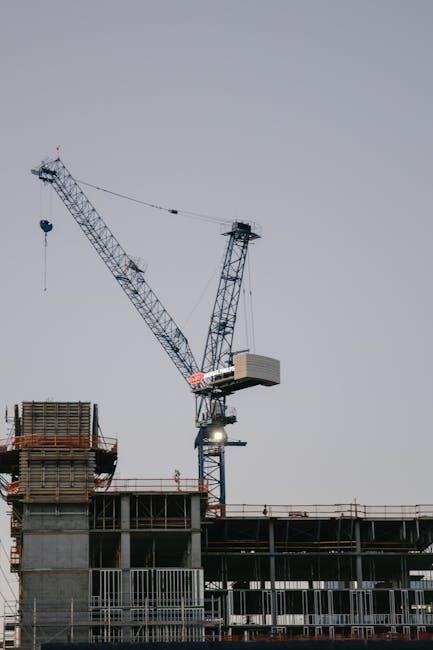
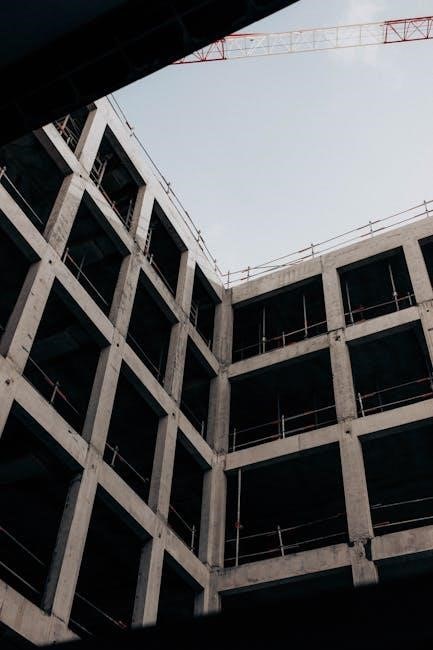
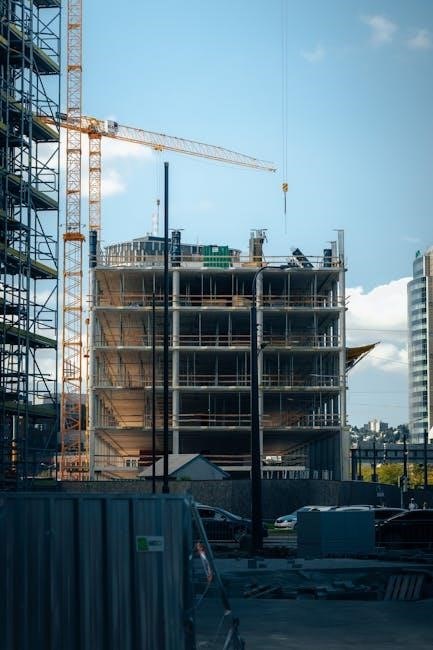
The residential construction sector‚ as defined by the Building Construction Residential Award‚ covers construction of buildings with less than five floor levels.
Scope of Work Covered by the Residential Award
The Building Construction Residential Award specifically applies to construction activities related to single or dual occupancy residential buildings. This encompasses a wide range of work‚ including new builds‚ renovations‚ and alterations‚ but is crucially limited by building height.
Specifically‚ the award covers projects where the completed building consists of fewer than five floor levels. This distinction is vital for determining which award applies‚ as larger multi-story developments fall under the General On-Site Award.
Work undertaken on these residential structures includes all facets of construction – from initial site preparation and foundation work to framing‚ plumbing‚ electrical installations‚ and finishing touches. Understanding this scope is essential for employers and employees alike to ensure correct award application and wage payment.
Floor Level Limitations for Residential Buildings
A defining characteristic of the Residential Construction Award is its restriction to buildings with less than five floor levels upon completion. This limitation is a key factor in determining award coverage‚ differentiating it from projects falling under the Building and Construction General On-Site Award.
The “floor level” refers to the total number of stories in the building‚ including ground level and any levels above. Basements or sub-floor areas do not typically count towards this limitation.
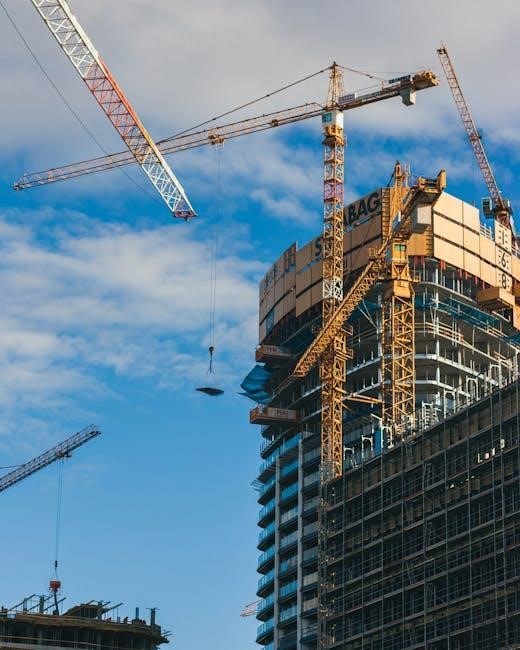
Projects exceeding this four-story threshold automatically fall outside the scope of the Residential Award‚ requiring adherence to the General On-Site Award’s pay rates and conditions. Accurate assessment of building height is therefore crucial for ensuring correct award application and legal compliance.
Employment Types & Award Coverage
Daily hire employees‚ whether full-time or part-time‚ are covered by these awards‚ alongside apprentices receiving proportional wage increases as outlined in the 2023 PDF.
Daily Hire Employees: Full-Time & Part-Time
Daily hire arrangements within the building and construction industry encompass both full-time and part-time permanent employment positions‚ falling under the coverage of the relevant awards‚ specifically the Building and Construction General On-Site Award 2020 or the Building Construction Residential Award 2020.
These employees are entitled to all applicable wage rates‚ allowances‚ and penalty rates as detailed within the award documents and the recent 2023 updates reflecting the 5.7% increase.
Understanding the specific classification of the daily hire employee’s work is crucial for determining the correct base pay rate. Employers must ensure accurate record-keeping and adherence to the award stipulations regarding hours of work‚ overtime‚ and leave entitlements for these employees‚ referencing the comprehensive PDF guides available from the Fair Work Ombudsman and MBAWA.
Apprenticeship Wage Rates & Proportional Increases
Apprentices within the building and construction sector benefit from proportional wage increases aligned with the Fair Work Commission’s 2023 Minimum Wage Review‚ resulting in a 5.7% rise. These increases are applied to apprenticeship wage rates based on their year of training and the relevant award.
The Building and Construction General On-Site Award 2020 and the Building Construction Residential Award 2020 both outline specific wage rates for apprentices‚ categorized by percentage of a tradesperson’s wage.
Employers must consult the detailed PDF documents from the Fair Work Ombudsman and MBAWA to accurately calculate the updated apprenticeship wages‚ ensuring compliance with award requirements. These resources provide clear guidance on determining the correct rate based on the apprentice’s progress and the effective date of the increase – the first full pay period on or after July 1‚ 2023.
What to Do If You Already Pay Above the Award
If current wages exceed the award rate outlined in the 2023 PDF‚ no additional increase is legally required by the Fair Work Commission.
No Additional Increase Required
For employers already generously compensating employees above the stipulated award wage rates‚ the recent 5.7% increase mandated by the Fair Work Commission’s 2023 review doesn’t necessitate further adjustments. This is a straightforward provision outlined within the Building Construction Residential Award 2020 PDF‚ readily available from MBAWA’s website.
Essentially‚ if your current remuneration packages already surpass the new minimums detailed in the July 2023 circular‚ you are already meeting your obligations. No supplementary payments are legally required to comply with the updated award conditions. This simplifies the implementation process‚ avoiding unnecessary administrative burdens for businesses proactively offering competitive salaries.
Maintaining accurate records demonstrating existing wage levels is still recommended‚ providing clear evidence of compliance should any questions arise. This proactive approach ensures a smooth and transparent process‚ solidifying your commitment to fair employment practices.
Accessing the Building Construction Residential Award PDF
The Building Construction Residential Award PDF is directly downloadable from the MBAWA website‚ providing comprehensive details on wage rates and conditions effective July 1‚ 2023.
Downloading the PDF from MBAWA Website
Accessing the official Building Construction Residential Award PDF is straightforward through the Master Builders Association of Western Australia (MBAWA) website. A direct link provides immediate access to the document outlining the updated wage rates and conditions as of July 1‚ 2023.
The PDF details the 5.7% increase mandated by the Fair Work Commission’s 2023 Minimum Wage Review‚ impacting all covered employees‚ including proportionate increases for apprentices.
Ensure you download the version specifically dated July 1‚ 2023‚ to guarantee you are referencing the current and legally compliant pay rates. The document clearly outlines the scope of work covered within the residential construction sector‚ defining floor level limitations and employment types.
Downloading directly from MBAWA ensures authenticity and provides the most up-to-date information for employers and employees alike‚ facilitating accurate payroll processing and compliance.
Key Dates within the PDF Document (July 1‚ 2023)
The MBAWA Building Construction Residential Award PDF prominently features July 1‚ 2023‚ as the pivotal date for implementing the 5.7% wage increases. This date marks the commencement of the new pay rates following the Fair Work Commission’s review.
Specifically‚ the award states that the increases are “effective from the first full pay period on or after 1 July 2023.” Employers must ensure their payroll systems reflect these changes from that point forward.
The document itself was published on June 26‚ 2023‚ providing sufficient lead time for businesses to prepare for the adjustments.
Understanding this timeline is crucial for compliance‚ avoiding underpayment of wages‚ and maintaining positive employee relations. The PDF clearly emphasizes the importance of adhering to the July 1‚ 2023‚ effective date for all covered employees.
Navigating the Award Documents
Award documents possess a structured format‚ detailing classifications‚ pay rates‚ and allowances. Locating specific information requires understanding this structure and utilizing search functions within the PDF.
Understanding the Award Structure
The Building and Construction General On-Site Award 2020 (MA000020) and the Building Construction Residential Award 2020 are complex documents organized into sections covering various aspects of employment. Typically‚ these awards begin with a schedule of pay rates categorized by classification – from apprentice to highly skilled tradesperson.
Following this‚ you’ll find detailed provisions outlining allowances for things like travel‚ tools‚ and inclement weather. Penalty rates for overtime‚ weekend work‚ and public holidays are also clearly defined. The structure also includes clauses addressing employment conditions‚ dispute resolution processes‚ and leave entitlements.
Understanding the definitions section is crucial‚ as it clarifies the meaning of key terms used throughout the award. The MBAWA’s Residential Award PDF specifically defines the ‘Residential Construction Sector’ based on building height (less than five floor levels) and occupancy type. Careful review of these sections ensures accurate interpretation and application of the award’s provisions.
Locating Specific Pay Rate Information
Within the Building and Construction Award PDFs‚ pay rate tables are usually organized by employee classification. The Fair Work Ombudsman’s pay guide (linked in their Pay Calculator tool) provides a user-friendly overview‚ but the full award document offers greater detail. Look for sections specifically titled “Rates of Pay” or “Wage Rates”‚ often presented as tables listing hourly rates for different skill levels.
The MBAWA’s Residential Award PDF from July 1‚ 2023‚ clearly outlines the 5.7% increase applied to these rates. Pay attention to footnotes and annotations‚ as these may specify conditions or limitations related to certain rates. Apprenticeship wage rates are typically presented separately‚ showing proportional increases based on their year of training.
Remember to identify the correct award applicable to the specific work being performed – General On-Site or Residential – as rates can differ. Utilizing the PDF’s search function (Ctrl+F) and keywords like “wage‚” “rate‚” or “classification” can expedite the process.