What Is Pay for Delete? Definition and Purpose
Pay‑for‑delete letters request credit bureaus to remove negative entries once a debt is paid. A PDF template lets you fill name, account, amount, and terms, sign electronically, then send the document to the collector. It’s a negotiation tool, not a legal right. Use a certified PDF signer for authenticity and
Definition and Practical Use Cases
Pay‑for‑delete letters are formal requests sent to credit bureaus or debt collectors asking that a negative account entry be removed from a consumer’s credit report in exchange for a specified payment. The letter typically outlines the debt amount, the proposed payment, and the deadline for completion. While the practice is not mandated by law, many collectors are willing to negotiate because a clean report can encourage future business and reduce the risk of litigation. The letter should reference the specific account number and include a statement that the payment will be made upon acceptance. Common scenarios where a pay‑for‑delete PDF is employed include:
- Collections on credit card, medical, or utility accounts that have already been paid but remain on the report.
- Disputed items that the consumer believes are inaccurate but the collector is unwilling to remove without payment.
- Settlements on high‑balance loans where the creditor prefers a quick resolution over a protracted legal process.
- Credit repair efforts where the consumer wants to rebuild credit history while still honoring obligations.
When drafting the PDF, it is essential to keep the tone professional, specify the exact amount being offered, and include a clear deadline. Many online generators allow the user to fill in fields such as name, address, account number, and payment terms, then sign electronically. Once signed, the document can be printed or emailed directly to the collector. Successful outcomes often hinge on the collector’s willingness to negotiate and the consumer’s ability to follow up promptly. After sending, request a written confirmation and keep a copy of the signed PDF for your records.
Legal Context and Credit Reporting Agencies
Under the Fair Credit Reporting Act (FCRA), credit bureaus must keep accurate records, but they are not required to delete an item that is verified as correct. A pay‑for‑delete letter is a negotiation tactic, not a statutory right. The three major bureaus—Equifax, Experian, and TransUnion—will remove a negative entry only if the debt is settled and the collector confirms deletion. The FCRA permits consumers to dispute inaccuracies, yet it does not mandate removal in exchange for payment. Many collectors adopt the practice to avoid litigation costs and close accounts quickly.
When a consumer submits a pay‑for‑delete PDF, the letter must reference the account number, amount offered, and deadline. A collector may reply with a settlement agreement that includes a clause stating the account will be reported as “paid in full” and deleted. The consumer should obtain a copy of this agreement and a confirmation from the credit bureau that the item has been removed. All correspondence—including the PDF, the collector’s reply, and the bureau’s confirmation—must be retained for at least 12 months if the negative entry is later reinstated.
If a collector refuses, the consumer can file a dispute under the FCRA, prompting the bureau to investigate and potentially remove the item if it is found inaccurate or unverifiable. While a pay‑for‑delete strategy is not guaranteed, it remains a widely used approach to negotiate debt resolution and improve credit scores. Using a legally vetted PDF template, signing electronically, and preserving all records safeguards the consumer’s rights under the FCRA. Common practice
Drafting the Letter: Key Components to Include
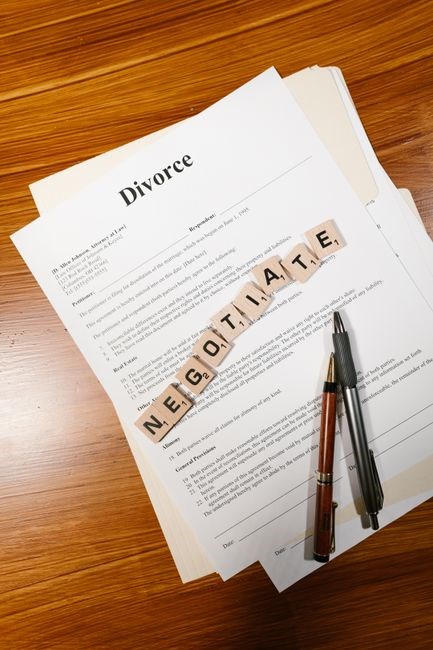
A pay‑for‑delete PDF must state the debtor’s name, address, account number, amount offered, and a clear deadline. Include a clause that payment will be considered settlement and the item deleted from credit reports. Sign electronically and keep copies.

Required Personal and Account Information
In a pay‑for‑delete PDF, the first section demands precise personal and account details to verify identity and ensure the collector can locate the debt. Begin with the debtor’s full legal name, current mailing address, city, state, and ZIP code. Next, list the account number or reference number that appears on the original billing statement. If the debt was assigned or sold, include the original creditor’s name and the new collector’s name. Provide a phone number and email address for follow‑up. Finally, add the account’s opening date, the original balance, and the proposed settlement amount. These data points anchor the letter to a specific file, reduce the risk of mis‑delivery, and signal to the collector that the offer is legitimate and actionable. Accuracy in this section is critical; any discrepancy can delay the settlement or result in the letter being ignored.
Include the account opening date, the original balance, and the proposed settlement amount. Specify a clear deadline for payment, such as 30 days from receipt of the letter. State that upon payment, the debt will be considered settled and the negative entry removed from all major credit bureaus. Mention any required documentation, such as a copy of the original statement or a proof of payment receipt. Ensure the letter is concise yet comprehensive, avoiding legal jargon that could be misinterpreted.
Finally, sign the letter with your full name and date. Keep a copy for your records and send the letter via certified mail or a secure email service that provides delivery confirmation

Debt Settlement and Payment Terms

In a pay‑for‑delete PDF, the settlement clause must be crystal clear. Specify the exact amount you will pay, whether it is a lump‑sum or a structured schedule. If you opt for a one‑time payment, state the dollar figure and the due date, such as “$1,200 payable within 30 days of receipt.” For installment plans, outline each payment amount, the frequency (e.g., monthly), and the final settlement date. Include the accepted payment methods—credit card, ACH, or certified check—and any required reference numbers or transaction IDs. Clearly state that the debt will be considered fully settled only after the payment is received and processed. Attach a clause that the creditor must remove the negative entry from all three major bureaus (Experian, Equifax, TransUnion) within 30 days of payment. Add a provision that if the creditor fails to delete the item, you reserve the right to pursue legal action or report the non‑compliance to the Consumer Financial Protection Bureau. Finally, request a written confirmation of the settlement and deletion once the transaction is complete. Include a signed acknowledgement that the creditor will not add any new negative items to the report during the settlement period. Also, specify that the settlement is contingent upon the removal of the debt from the credit file and that any failure to comply will nullify the agreement. This protects you from being stuck with a debt that is still reported while you have already paid the agreed amount.
This structured approach ensures clarity, enforceability, a chance of deletion. Document term securing written confirmation safeguards your credit profile creates an agreement that can be referenced if the creditor fails to comply!
Sample Template Overview: Fillable PDF Available Online
Free online services such as Templateroller and pdfFiller provide a ready‑to‑use, fillable PDF that serves as a pay‑for‑delete letter. The template is pre‑formatted with all the essential fields: your name, address, phone number, the creditor’s name and address, the account number, the proposed settlement amount, the payment method, and the date of the agreement. Each field is interactive, allowing you to type or paste the information directly into the PDF. After completing the form, you can add an electronic signature using tools like DocuSign, Adobe Sign, or the built‑in e‑signature feature of the PDF reader. The final document can be saved as a PDF/A for long‑term archiving, ensuring that the file remains readable and tamper‑proof over time.
The template also includes a “payment receipt” section where you can attach proof of payment, such as a bank statement or a credit‑card confirmation. A clause is provided that explicitly states the creditor must remove the negative entry from all three major bureaus within a specified period, typically 30 days, upon receipt of the payment. This clause is crucial because it turns the letter into a binding agreement rather than a mere request. Additionally, many templates provide a checkbox for the creditor to confirm deletion, which can be printed and signed by both parties for added enforceability.
Once the PDF is complete, you can choose your delivery method—certified mail, email, or fax—depending on the creditor’s preferred channel. The digital format allows you to track the document, store it securely in cloud storage, and reference it in future disputes. By using a fillable PDF, you eliminate formatting errors, reduce processing time, and increase the likelihood that the creditor will honor the settlement and delete the negative entry from your credit report. The PDF can also be shared via a secure link, ensuring that the creditor receives the document without the risk of tampering.

PDF Preparation: Free Online Templates and Digital Signing
Free online tools like Templateroller and pdfFiller offer ready‑to‑use, fillable PDFs for pay‑for‑delete letters. After filling, sign electronically with DocuSign or Adobe Sign, then download the signed PDF. This ensures authenticity and easy delivery. The PDF can be stored in cloud for future reference Secure!
Popular Free Generators (Templateroller, pdfFiller)
When drafting a pay‑for‑delete letter, turn to PDF generators that streamline the process. Templateroller offers a dedicated, downloadable template that populates fields such as debtor name, creditor, account number, and proposed settlement amount. pdfFiller, on the other hand, provides a cloud‑based editor that supports drag‑and‑drop of text blocks, customizable form fields, and the ability to attach supporting documents like proof of payment. Both services allow the final document to be signed via e‑signature tools or by uploading a scanned signature image. After signing, the PDF can be downloaded, emailed, or printed with minimal effort. Importantly, these generators keep the file size small, preserve formatting across devices, and maintain the integrity of the document for legal and credit‑reporting purposes. Users should verify that the template includes a clear request for deletion, a concise settlement offer, and a deadline for response. By leveraging Templateroller or pdfFiller, borrowers can quickly produce a professional, compliant pay‑for‑delete letter without incurring additional costs or needing specialized software. For maximum effectiveness, keep the letter concise, proof of payment ready, and follow up within 30 days to confirm the deletion agreement; this proactive approach often accelerates credit repair. Keep a copy of the letter for records and verify deletion appears in your credit reports within 30 days now.
Digital Signing Platforms and Security Measures

When finalizing a pay‑for‑delete PDF, choose a reputable e‑signature service that meets industry standards. Platforms such as DocuSign, Adobe Sign, HelloSign, and SignNow provide end‑to‑end encryption, two‑factor authentication, and a tamper‑evident audit trail that logs every action. The signature field itself is cryptographically bound to the document, ensuring that any post‑signature alteration is instantly flagged. For added privacy, use a virtual private network (VPN) during the signing session and store the signed file on a secure cloud storage with encryption at rest. Finally, keep a local backup of the signed PDF in a password‑protected archive, and verify that the signature validity is displayed in the PDF viewer before sending it to the creditor. These measures protect both the borrower and the creditor from fraud and provide a verifiable record for any future disputes. Additionally, many services support certificate‑based authentication, allowing the signer to verify the signer’s identity through a trusted digital certificate issued by a recognized Certificate Authority. The signature itself is a hash of the document, embedded in a PDF annotation, and the PDF/A format preserves the integrity of the signed file for long‑term archival. Compliance with eIDAS and U.S. ESIGN Act ensures that the electronic signature is legally binding, while the audit trail records the date, time, and IP address of each signing event. For multi‑party agreements, the platform can enforce sequential signing workflows, preventing any signer from accessing the document before the previous signer has completed their portion. When using a mobile device, the platform’s app typically offers biometric authentication (fingerprint or facial recognition) to confirm the signer’s identity, adding an extra layer of security. After the signature is applied, the platform signs the PDF with a digital certificate that can be verified by any PDF reader that supports signature validation, giving the creditor confidence that the document has not been tampered with since signing. Moreover, if the creditor requires a hard copy, the platform can generate a signed PDF that is automatically converted to a PDF/A‑1b compliant file, ensuring that the signature remains valid even if the file is opened on older PDF readers. The platform also offers the option to store the signed document in a secure key vault, where the private key used for signing is encrypted and access is restricted to authorized personnel only.
Secure Storage and Sharing Practices
Secure storage and sharing of a signed pay‑for‑delete PDF is essential for protecting sensitive personal information and ensuring the integrity of the debt‑settlement agreement. The first step is to keep the signed file in an encrypted cloud service such as Google Drive, OneDrive, or Dropbox, which support AES‑256 encryption and two‑factor authentication. Store the document in a dedicated folder with a descriptive name that includes the date and creditor’s name, and lock the folder with a strong, unique password that is not reused elsewhere. In addition, maintain a local encrypted backup on an external hard drive or USB stick.
When sharing the document with the creditor or collection agency, use a file‑transfer method. Many e‑signature platforms offer a time‑limited, password‑protected link that can be sent via email. Alternatively, send the PDF via encrypted email using PGP or S/MIME, ensuring that only the intended recipient can decrypt the attachment. If the creditor requires a hard copy, print the PDF on a printer that uses a print queue, and collect the printed copy only after verifying the recipient’s identity. Keep a signed transmission log that records the date, time, and method of delivery.
After the creditor acknowledges receipt and the debt is settled, delete all copies of the original PDF from all devices and cloud accounts in real time. Overwrite the local backup using a deletion tool such as Eraser or CCleaner. These practices minimize the risk of data leakage, protect against identity theft, remain compliant with privacy regulations such as GDPR and CCPA.

Sending & Follow‑Up: Best Delivery Methods, Tracking, and Negotiation Strategy
Send the PDF via certified mail, email with read‑receipt, or secure portal. Track delivery with a tracking number or email confirmation. After receipt, follow up with a polite call or email to confirm payment, request deletion, and negotiate any remaining balance. Keep records. soon!
Mail, Email, and Fax Options
When sending a pay‑for‑delete PDF, choose a method that guarantees delivery and provides proof of receipt. Certified mail with return receipt is the gold standard; it records the date the collector opens the envelope and provides a signed acknowledgment. For electronic delivery, use a secure email service that supports read receipts and encryption, such as ProtonMail or a corporate Outlook account with tracking enabled. Attach the signed PDF and include a brief cover letter summarizing the agreement. Fax remains an option for agencies that still accept paperless documents; use a reputable fax service that logs transmission time and returns a confirmation page. Regardless of the chosen channel, keep a copy of the signed document and any delivery confirmation. Store these documents in a secure folder and back them up locally on an encrypted external drive. When the collector acknowledges receipt, follow up within ten business days to confirm that the payment has been processed and that the deletion request is being acted upon. If no response, send a reminder and consider filing a complaint with the CFPB. This systematic approach ensures that every step is documented and that you have evidence of compliance, which is essential if a dispute arises later.
Negotiation Tactics After Submission
After submitting a signed pay‑for‑delete PDF, set a 10‑14 day deadline for the collector to confirm payment and delete the negative entry. Send a polite reminder if no acknowledgment arrives. In follow‑up, reference the original letter’s date, the agreed amount, and the specific item to be removed. Ask for written confirmation that the deletion will be processed and request a copy of the updated credit report. If the collector resists, propose a counter‑offer: a reduced payment for faster deletion or partial removal of the most damaging entry. Keep all communications in writing; email is preferred for audit trails, but fax works for agencies that do not accept email attachments. Verify that payment clears the collector’s account before sending money. Use traceable payment methods such as bank transfer or credit card with confirmation receipt. Once confirmed, request a written statement that the negative item will be removed from all three major bureaus. If the collector fails, file a complaint with the CFPB and consider legal action. Maintain meticulous records: copies of the original letter, follow‑up emails, payment confirmations, and any correspondence. These documents are essential if the item reappears. By insisting on written confirmation and tracking delivery, you improve the odds that the agreement is honored and your credit report reflects the agreed changes. Keep a digital copy of the signed PDF and the collector’s response in a secure cloud folder, and review the updated credit report after 30 daysnow.