
The Chevy 3-speed manual transmission represents a cornerstone of classic American automotive engineering, celebrated for its durability and simplicity. It was widely utilized across numerous Chevrolet vehicles, offering a robust and reliable shifting experience for decades.
Historical Context and Popularity
The Chevy 3-speed manual transmission gained prominence during the mid-20th century, becoming a staple in Chevrolet, Pontiac, and Buick vehicles. Its initial adoption coincided with the post-war automotive boom, offering a cost-effective and dependable transmission option. Notably, Corvette models uniquely featured threaded bosses for shifter mounting on the tail housing, distinguishing them from other Chevrolet products.
This transmission’s popularity stemmed from its straightforward design and ease of maintenance, making it a favorite among both factory workers and car enthusiasts. It remained in production for several decades, witnessing various iterations and improvements, yet retaining its core functionality. The 3-speed’s enduring legacy is a testament to its robust construction and widespread application.
Overview of the Transmission’s Design
The Chevy 3-speed manual transmission features a relatively simple internal layout, consisting of a mainshaft, countershaft, and various gear sets. It operates using a direct-drive system for second and third gears, enhancing efficiency. First gear utilizes an indirect drive for increased torque, crucial for starting from a standstill.
Synchronizer mechanisms facilitate smoother gear changes, minimizing grinding. The transmission case, typically cast iron, provides durability. Identifying features include casting numbers like “GM” with a number “8” underneath, alongside codes such as “NNN NNN-NNNN” and “A2964”. These markings are vital for determining the specific model and application of the transmission.

Identifying the Chevy 3-Speed Manual Transmission
Accurate identification relies on locating casting numbers and codes stamped onto the transmission case, such as “GM 8”, “NNN NNN-NNNN”, and “A2964”, for proper sourcing.
Casting Numbers and Codes
Decoding the Chevy 3-speed’s identity begins with its casting numbers and codes, crucial for parts sourcing and verification. The “GM” marking, often accompanied by the number “8” underneath, is a primary identifier. Further down, you’ll typically find a sequence like “NNN NNN-NNNN”, representing a specific part number and revision.
Below that, codes such as “A2964” provide additional manufacturing details. These markings aren’t merely random; they pinpoint the transmission’s origin, date of manufacture, and intended application. Understanding these codes allows enthusiasts to accurately determine if a transmission is original to a specific vehicle or a suitable replacement. Careful documentation and referencing identification guides are essential for correct interpretation.
GM Number 8 Identification
The “GM 8” marking is a frequently encountered identifier on Chevy 3-speed manual transmissions, but its significance requires nuance. It generally indicates a transmission manufactured by General Motors, but doesn’t pinpoint a specific model year or application. This number often appears directly beneath the “GM” casting mark on the transmission case.
However, relying solely on “GM 8” is insufficient for complete identification. It’s crucial to combine this with the accompanying “NNN NNN-NNNN” and other codes for accurate dating and application determination. The “GM 8” serves as a starting point, directing further investigation into the more detailed alphanumeric sequences for a comprehensive understanding of the transmission’s history.
NNN NNN-NNNN and A2964 Codes Explained
The “NNN NNN-NNNN” code, found beneath the “GM 8” marking, is a crucial identifier for Chevy 3-speed transmissions. These alphanumeric sequences represent the assembly plant and date of manufacture. Decoding requires referencing GM parts books or online databases specific to transmission identification. The “A2964” code, often found alongside, further clarifies the transmission’s specific application and internal gear ratios;
These codes aren’t standardized across all years; variations exist. Accurate interpretation is vital for determining compatibility during restoration or swap projects. Online forums and dedicated Chevrolet resources provide valuable assistance in deciphering these codes, ensuring correct parts sourcing and proper vehicle matching.

Variations of the Chevy 3-Speed
Chevrolet’s 3-speed exhibited notable variations, including early Saginaw models and Corvette-specific versions featuring unique shifter mounting provisions for optimal performance.
Early Saginaw 3-Speed Models
The Saginaw 3-speed transmission, produced by General Motors, became a prevalent choice for Chevrolet vehicles during the mid-20th century. These early iterations, particularly those found in the 1950s and 1960s, are characterized by their robust cast-iron construction and relatively straightforward design. Notably, early Corvette models exclusively utilized a Saginaw 3-speed with threaded bosses specifically for shifter mounting – a feature absent in other Chevrolet applications of the time.
Identifying these early Saginaw units often involves locating casting numbers, typically “GM” with a number “8” underneath, alongside additional codes like “NNN NNN-NNNN” and “A2964”. These codes provide crucial information regarding the transmission’s manufacturing date and original application, aiding in accurate identification and restoration efforts.
Corvette-Specific 3-Speed Features (Shifter Mounts)
A defining characteristic of the 3-speed manual transmissions found exclusively in early Corvettes is the presence of threaded bosses cast directly into the tail housing; These bosses were specifically designed to facilitate the secure mounting of a shifter, a feature absent on 3-speed transmissions used in other Chevrolet vehicles of the same era. This unique provision underscores the Corvette’s performance-oriented design.
This distinction is paramount for identification; if a Saginaw 3-speed lacks these threaded mounting points, it definitively did not originate in a Corvette. This detail is crucial for restorers and enthusiasts seeking originality, ensuring correct component selection during rebuilds or vehicle restorations.
Differences Between Chevy Truck and Passenger Car Versions
While fundamentally similar, Chevy’s 3-speed manual transmissions exhibited subtle yet important differences depending on their intended application – whether in a truck or a passenger car. These variations primarily revolved around gear ratios tailored to the vehicle’s weight and usage. Trucks generally received lower (numerically higher) gear ratios to maximize torque for hauling and towing, providing enhanced pulling power at lower speeds.
Passenger car versions typically featured higher gear ratios, prioritizing fuel efficiency and more responsive acceleration. Identifying these differences often requires examining the gear sets themselves, as external casings can appear largely identical. These internal variations reflect the distinct performance demands of each vehicle type;
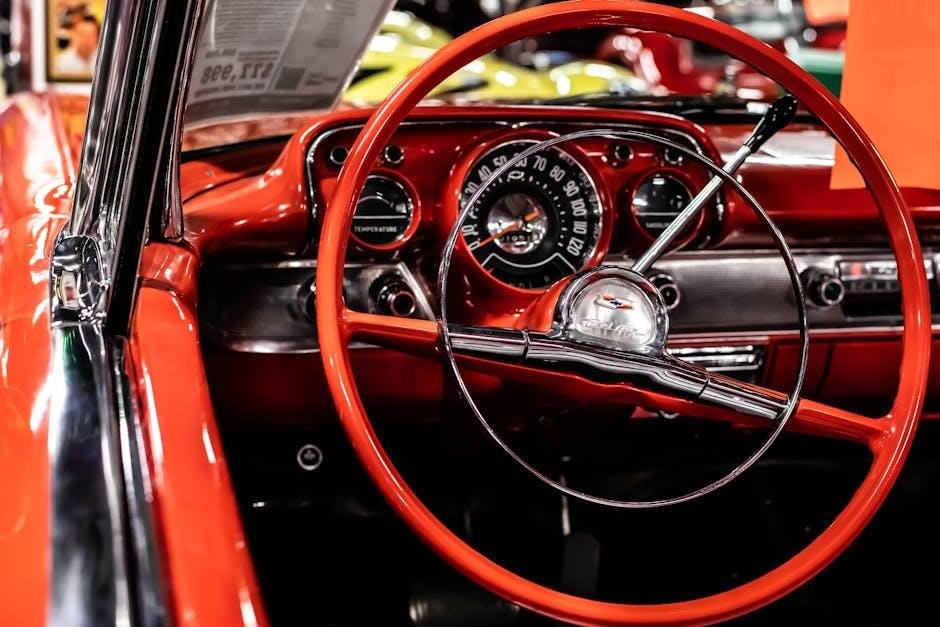
Internal Components and Functionality
The Chevy 3-speed’s core relies on a mainshaft, countershaft, and synchronized gears, enabling smooth transitions between ratios and delivering power efficiently to the driveshaft.
Gear Ratios and Their Impact
The Chevy 3-speed’s gear ratios significantly influence vehicle performance characteristics. Typically, these transmissions feature a first gear ratio designed for strong acceleration from a standstill, often around 2.5:1 or higher. Second gear, around 1.6:1, provides continued acceleration, while the 1:1 third gear offers direct drive for efficient cruising.
These ratios impact acceleration, top speed, and fuel economy. Lower (numerically higher) first gear ratios enhance initial acceleration, beneficial for trucks and heavier vehicles. Conversely, higher ratios prioritize fuel efficiency at cruising speeds. Selecting the appropriate gear is crucial for optimizing engine power and achieving desired driving dynamics, making understanding these ratios vital for restoration or modification projects.
Synchronizer Mechanisms
Chevy 3-speed transmissions, particularly later models, employ synchronizer mechanisms to facilitate smoother gear changes. These mechanisms work by momentarily matching the speeds of the gear being engaged and the mainshaft, reducing grinding and allowing for easier shifting. Early versions often lacked full synchronization on all gears, requiring more skilled driving techniques.
The synchronizers utilize friction cones and blocking rings. As the shift lever is moved, the cone engages, creating friction that equalizes speeds. A blocking ring then prevents engagement until synchronization is achieved. Worn synchronizers are a common cause of grinding, necessitating rebuild or replacement to restore smooth operation and prevent damage to gear teeth.
Mainshaft and Countershaft Details
The Chevy 3-speed’s core functionality relies on the interplay between the mainshaft and countershaft. The countershaft, driven directly by the input shaft, houses the gears for each forward speed and reverse. The mainshaft, connected to the output yoke, receives power through selected gears via sliding synchronizer hubs.
Gear ratios are determined by the differing numbers of teeth on the countershaft and mainshaft gears. The mainshaft typically features a direct-drive gear for 1:1 ratio in top gear. Robust construction of both shafts is crucial for handling engine torque. Inspection for wear, such as bent shafts or damaged gear teeth, is vital during a rebuild.
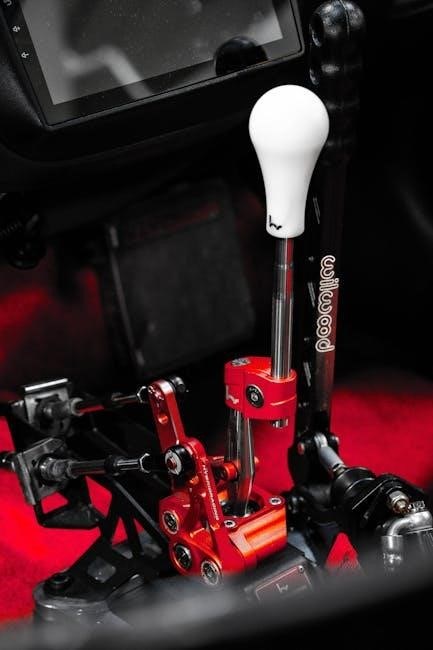
Troubleshooting Common Issues
Common problems with the Chevy 3-speed include difficulty shifting, grinding gears, and unusual transmission noises, often stemming from worn synchronizers or internal damage.
Difficulty Shifting
Experiencing trouble getting the Chevy 3-speed into gear can indicate several underlying issues. Often, worn or damaged synchronizers are the primary culprit, failing to properly match gear speeds during shifts. Low transmission fluid levels can also contribute, reducing hydraulic pressure needed for smooth operation.
Check the linkage for proper adjustment and wear; loose or bent components can hinder precise gear engagement. Internal damage to the shift forks or selector rails can also cause shifting problems. A thorough inspection of these components is crucial for diagnosis. Consider the clutch’s condition, as a failing clutch can mimic shifting difficulties.
Grinding Gears
Hearing a grinding noise when attempting to shift gears in your Chevy 3-speed typically signals a synchronization problem. Worn synchronizer rings are the most common cause, failing to smoothly mesh the gears before full engagement. This results in the gears colliding, producing the unpleasant grinding sound.
Insufficient clutch disengagement can also lead to grinding, as the transmission input shaft doesn’t fully separate from the engine. Inspect the clutch linkage and throw-out bearing. Damaged gear teeth, though less frequent, can also contribute. Addressing grinding promptly prevents further damage to the transmission’s internal components.

Transmission Noise Diagnosis
Identifying the source of transmission noise is crucial for effective repair. Whining sounds often indicate worn bearings within the mainshaft or countershaft. A rhythmic clicking noise could point to issues with the universal joints or the speedometer drive. Loud clunking during shifts suggests worn or broken gears.
Differentiating transmission noise from engine or rear-end noise requires careful listening. Use a mechanic’s stethoscope to pinpoint the origin. Note when the noise occurs – during specific gears, acceleration, or deceleration. Thorough diagnosis prevents unnecessary disassembly and ensures accurate repairs, restoring quiet operation.
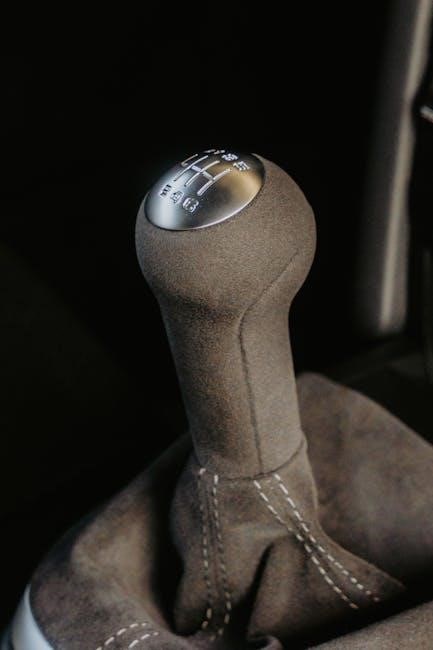
Rebuilding a Chevy 3-Speed Manual Transmission
A complete rebuild demands meticulous attention to detail, requiring specialized tools and readily available parts for a successful restoration of functionality and longevity.
Parts Availability and Sourcing
Fortunately, many parts for the Chevy 3-speed remain surprisingly accessible, though sourcing can vary. Reproduction gears, bearings, seals, and synchronizers are commonly available from dedicated transmission suppliers and classic Chevrolet parts vendors. Original GM components can be found through swap meets, online auction sites, and specialized vintage auto parts dealers, often requiring diligent searching.
However, certain parts, particularly those specific to Corvette applications like shifter mounts, may be harder to locate and command higher prices. Careful inspection of used parts is crucial, assessing for wear and damage before committing to a purchase. Online forums and communities (mentioned later) frequently serve as valuable resources for locating hard-to-find items and connecting with experienced rebuilders.
Essential Tools for Rebuilding
A successful Chevy 3-speed rebuild demands a specific toolkit beyond basic hand tools. Essential items include a transmission jack for safe removal and installation, a complete socket set (including deep sockets), various wrenches, and specialized gear pullers. A bearing press is crucial for installing and removing bearings without damage.
Furthermore, precision measuring tools like a dial indicator and micrometer are vital for inspecting gear wear and clearances. A snap ring pliers set is necessary for removing and installing snap rings within the transmission. Finally, a good parts cleaning tank and assembly lube are indispensable for a thorough and reliable rebuild, ensuring longevity and smooth operation;
Step-by-Step Rebuild Process
Disassembly begins with careful removal of the transmission’s exterior components, followed by separating the main case halves. Thoroughly inspect all gears, shafts, and bearings for wear or damage, documenting their condition. Clean each part meticulously in a parts washer, removing old grease and debris.
Reassembly requires precise attention to detail, starting with installing the mainshaft and countershaft bearings. Carefully position the gears, ensuring proper mesh and clearances. Apply assembly lube generously to all moving parts before reassembling the case. Finally, adjust the endplay and backlash according to factory specifications for optimal performance.

Compatibility and Applications
The Chevy 3-speed found a home in diverse vehicles, from early Corvettes to Chevy trucks and passenger cars, making it a versatile transmission option.
Vehicles Equipped with the 3-Speed
The Chevrolet 3-speed manual transmission was a staple in a wide array of vehicles throughout the mid-20th century. Early Corvettes, particularly those produced before the advent of more advanced transmissions, frequently featured this robust gearbox. Beyond the iconic Corvette, numerous Chevrolet passenger cars, spanning various models and years, utilized the 3-speed.
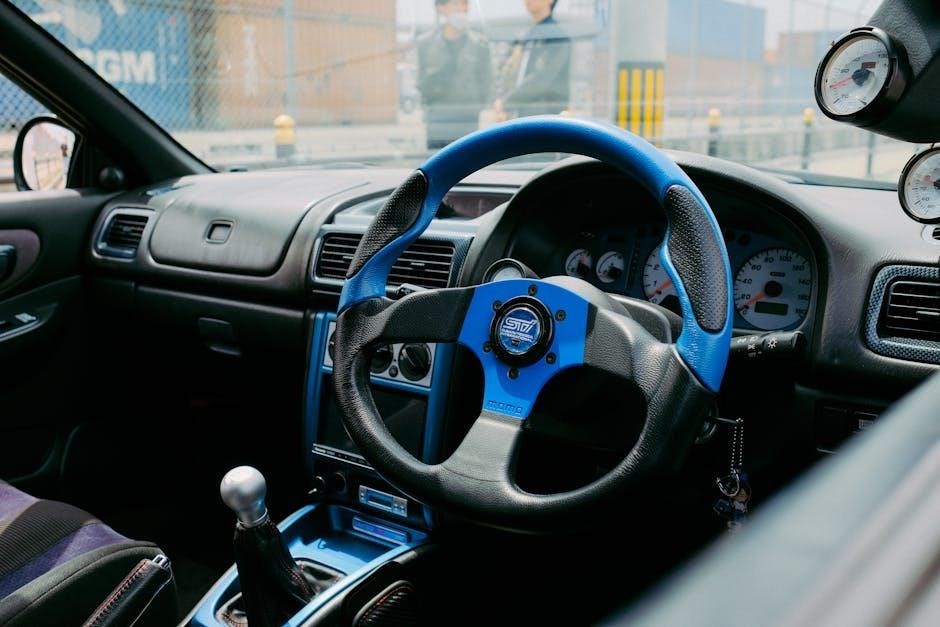
Chevrolet and GMC trucks also commonly employed this transmission, providing a dependable and straightforward shifting experience for work vehicles. Pontiac and Buick models sometimes incorporated the transmission as well, demonstrating its broad application within General Motors. Identifying the specific vehicle application often requires decoding casting numbers and understanding model-year variations, as slight differences existed across the GM lineup.
Potential Swaps and Conversions
Swapping a Chevy 3-speed manual into different vehicles presents both opportunities and challenges. While relatively straightforward in some applications, particularly within older GM platforms, careful consideration of driveline compatibility is crucial. Adapting the transmission to non-GM vehicles often necessitates custom fabrication of mounting points and a driveshaft.
Converting automatic vehicles to manual requires additional components like a clutch pedal assembly, master cylinder, and potentially a modified steering column. The simplicity of the 3-speed makes it a popular choice for budget-minded enthusiasts, but it’s essential to verify proper fitment and ensure all necessary supporting components are sourced. Careful planning and research are vital for a successful conversion.
Resources for Further Information
Online forums, like CorvetteForum and Chevrolet Message Boards, provide invaluable knowledge and support. Parts suppliers specializing in classic GM transmissions offer essential components and expertise.
Online Forums and Communities
Engaging with online communities dedicated to classic Chevrolet vehicles is incredibly beneficial when researching the 3-speed manual transmission. CorvetteForum, specifically, hosts detailed discussions regarding Corvette-specific 3-speed variations, particularly identifying unique features like shifter mounting provisions absent in other Chevy models. The Chevrolet Message Board network also provides a wealth of information, covering transmission numbers, identification challenges, and restoration advice.
These platforms allow owners and enthusiasts to share experiences, troubleshoot issues, and locate hard-to-find parts. Active members often possess extensive knowledge regarding casting numbers, codes (like NNN NNN-NNNN and A2964), and compatibility across different vehicle years and models. Utilizing these resources can significantly aid in identification, rebuilding, and maintaining these classic transmissions.
Parts Suppliers
Sourcing parts for a Chevy 3-speed manual transmission rebuild requires diligent searching, as availability can vary. While some common components may still be available through general auto parts retailers, specialized suppliers focusing on classic Chevrolet and GMC trucks are often essential. These suppliers frequently stock rebuilt components, individual gears, synchronizers, and seals specific to these older transmissions.
Online marketplaces and dedicated classic car parts vendors are valuable resources. Expect to potentially encounter core charges for certain components, refundable upon return of the original part. Thorough research and comparing prices from multiple suppliers are crucial to ensure quality and cost-effectiveness during your rebuild project.