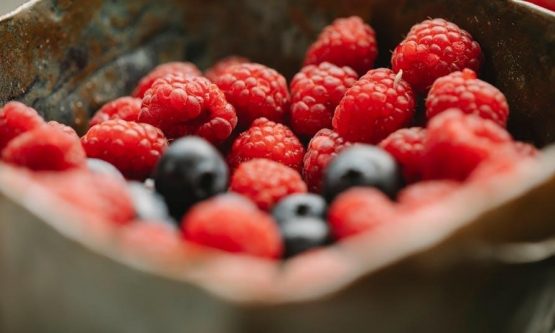
A 1600 calorie meal plan, often found as a downloadable PDF, provides structured dietary guidance․ It’s designed with colorful, varied, plant-based options for healthy eating․
What is a 1600 Calorie Diet?
A 1600 calorie diet is a meal plan restricting daily energy intake to approximately 1600 calories․ Frequently available as a PDF resource, it’s a moderately restrictive approach often utilized for weight management․ This plan isn’t a one-size-fits-all solution; individual needs vary based on factors like age, activity level, and metabolism․
These plans typically emphasize balanced macronutrient distribution – carbohydrates, fats, and proteins – to ensure nutritional adequacy․ Sample 1600 calorie meal plans, often downloadable, showcase portion sizes and food choices․ They aim to provide a framework for healthy eating, offering ideas for breakfast, lunch, dinner, and snacks․ The focus is on creating a sustainable eating pattern, not a temporary fix․
Benefits of a 1600 Calorie Diet
Following a well-structured 1600 calorie diet, often accessed via a PDF guide, can offer several health benefits․ Primarily, it supports weight loss by creating a calorie deficit, encouraging the body to utilize stored fat for energy․ Beyond weight management, these plans promote mindful eating habits and increased awareness of portion sizes․
A balanced 1600 calorie meal plan, as detailed in many downloadable PDFs, can improve overall diet quality․ It encourages consumption of nutrient-rich foods like fruits, vegetables, and lean proteins․ This can lead to increased energy levels, improved mood, and a reduced risk of chronic diseases․ Furthermore, the structured nature of the plan can simplify meal planning and grocery shopping, fostering long-term healthy habits․
Who is a 1600 Calorie Plan Suitable For?
A 1600 calorie meal plan, frequently available as a downloadable PDF, is generally suitable for moderately active women and smaller-framed men aiming for weight loss․ It can also be appropriate for individuals maintaining their current weight with a lower activity level․ However, individual needs vary significantly․
Those seeking a structured approach to healthy eating, particularly those new to calorie counting, may find a 1600 calorie PDF plan beneficial․ It’s often recommended for individuals aged 14 and older, though adjustments are crucial based on age, sex, height, weight, and activity level․ Consulting a healthcare professional or registered dietitian before starting any new diet, including a 1600 calorie plan, is always advisable to ensure it aligns with personal health goals and requirements․

Understanding Macronutrient Distribution
A typical 1600 calorie meal plan PDF balances macronutrients: roughly 144g carbohydrates, 62g fat, and 155g protein, supporting overall health․
Carbohydrate Intake (Approximately 144g)
Within a 1600 calorie meal plan, carbohydrates should contribute a significant portion of your daily energy, aiming for around 144 grams․ Prioritize complex carbohydrates found in whole grains, fruits, and vegetables over refined sugars and processed foods․ A sample plan, often available as a PDF, will detail serving sizes – typically 3-5 servings of grains and starches, alongside 1-2 cups of fruits and vegetables․
These carbohydrate sources provide essential fiber, vitamins, and minerals․ Consider options like whole-wheat bread, brown rice, quinoa, sweet potatoes, berries, and leafy greens․ Careful portion control, as outlined in the meal plan PDF, is crucial for maintaining the calorie target and achieving balanced nutrition․ Remember to distribute carbohydrate intake throughout the day for sustained energy levels․
Fat Intake (Approximately 62g)
A 1600 calorie meal plan typically allocates around 62 grams of fat per day, emphasizing healthy fat sources․ These plans, often available as downloadable PDFs, recommend prioritizing unsaturated fats found in avocados, nuts, seeds, olive oil, and fatty fish․ Limit saturated and trans fats, commonly found in processed foods and red meat․
Portion control is key; a 1-tablespoon serving size is often suggested for oils and nut butters․ The PDF meal plan will likely detail how to incorporate these fats into meals and snacks․ Healthy fats are vital for hormone production, nutrient absorption, and overall health, but they are calorie-dense, so moderation is essential for staying within the 1600 calorie limit․
Protein Intake (Approximately 155g)
A 1600 calorie meal plan generally recommends approximately 155 grams of protein daily, crucial for satiety and muscle maintenance․ Many downloadable PDF versions outline protein sources like 3-4oz portions of meat, fish, or poultry․ Alternatives include 1 ounce of cheese or plant-based proteins․
These plans emphasize lean protein choices to maximize nutritional value while minimizing unnecessary fat intake․ The PDF will likely provide examples of how to distribute protein throughout the day – breakfast, lunch, and dinner – to support consistent energy levels․ Adequate protein intake is vital for weight management and overall health within a calorie-restricted diet․
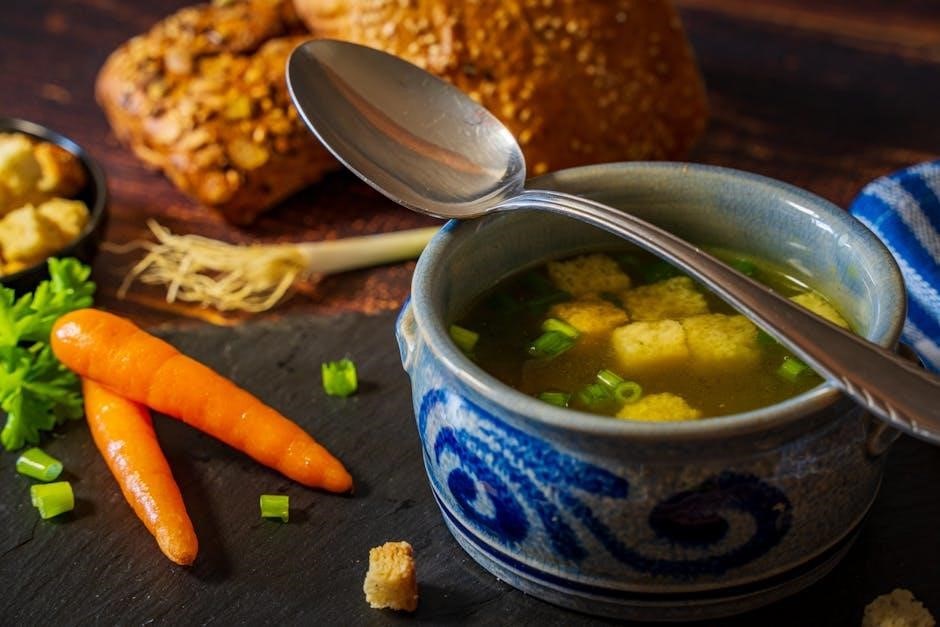
Sample 3-Day 1600 Calorie Meal Plan
PDF meal plans often detail three-day breakdowns, showcasing balanced meals around 300-600 calories each, with snacks included for sustained energy․
Day 1: Meal Breakdown
A typical Day 1, as outlined in a 1600 calorie PDF plan, begins with a roughly 300-calorie breakfast – perhaps two eggs with whole-wheat toast and yogurt․ A 150-calorie snack follows, like a piece of fruit․ Lunch aims for around 400 calories, potentially including 3oz of protein with a cup of vegetables․ Another 150-calorie snack could be a small handful of nuts․ Finally, dinner concludes the day at approximately 600 calories, featuring a balanced portion of protein, complex carbohydrates, and healthy fats․ These plans emphasize portion control, utilizing visual cues like the palm of your hand for protein sizing, and a thumb for cheese or meat portions, ensuring adherence to the calorie target․
Breakfast (Approx․ 300 Calories)
A 1600 calorie meal plan PDF often suggests a breakfast totaling around 300 calories to kickstart your day․ A common example includes two eggs, providing essential protein, paired with one slice of whole-wheat bread for complex carbohydrates and fiber․ Six ounces of plain, low-fat yogurt adds calcium and probiotics․ This combination offers a balanced start, promoting satiety and sustained energy levels․ Variations might include oatmeal with berries and a sprinkle of nuts, or a whole-wheat toast with avocado and a poached egg․ Remember to adjust portion sizes based on individual needs and activity levels, as detailed within the PDF guide․
Snack 1 (Approx․ 150 Calories)
A 1600 calorie meal plan PDF typically incorporates a mid-morning snack around 150 calories to bridge the gap between breakfast and lunch; Options frequently suggested include a small piece of fruit, like an apple or orange, providing natural sugars and fiber․ Alternatively, a handful of almonds or walnuts offers healthy fats and protein for sustained energy․ Another suitable choice is a small container of Greek yogurt, contributing to protein intake and gut health․ The PDF emphasizes mindful snacking, focusing on nutrient-dense foods rather than processed options․ Portion control is key, ensuring the snack complements the overall calorie target․
Lunch (Approx․ 400 Calories)
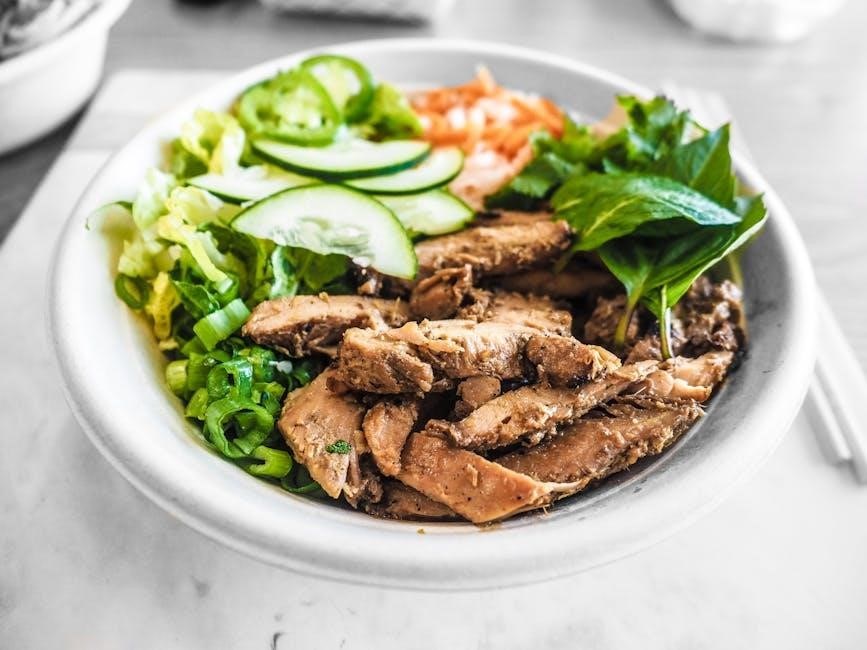
A 1600 calorie meal plan PDF usually features a lunch around 400 calories, prioritizing lean protein and complex carbohydrates․ A typical suggestion is 3 ounces of grilled chicken or fish paired with a large salad containing mixed greens, vegetables, and a light vinaigrette․ Another option could be a whole-wheat sandwich filled with turkey breast, lettuce, and tomato․ The PDF often recommends including a side of fruit or a small serving of whole-grain crackers․ Portion sizes are crucial; a palm-sized portion of protein is often advised․ The focus remains on balanced nutrition, ensuring sustained energy throughout the afternoon․
Snack 2 (Approx․ 150 Calories)
A 1600 calorie meal plan PDF commonly includes a mid-afternoon snack around 150 calories to prevent overeating at dinner․ Recommended options often feature a balance of protein and fiber for sustained satiety․ Examples include 6 ounces of plain, low-fat yogurt, a small apple with a tablespoon of peanut butter, or a handful of almonds (approximately 1 ounce)․ The PDF emphasizes mindful snacking, encouraging individuals to savor their choices․ These snacks bridge the gap between lunch and dinner, maintaining stable blood sugar levels and curbing cravings․ Portion control, as indicated by a thumb-sized serving, is key․
Dinner (Approx․ 600 Calories)
A 1600 calorie meal plan PDF typically allocates approximately 600 calories for dinner, focusing on lean protein, complex carbohydrates, and plenty of vegetables․ A sample dinner might include 3-4 ounces of baked fish or chicken breast paired with a half-cup of brown rice or quinoa and a generous serving (1-2 cups) of steamed or roasted vegetables․ The PDF often suggests limiting added fats and sauces․ Portion sizes are crucial; 3 ounces of meat equates to roughly the size of a palm or a deck of cards․ Dinner should be a balanced and satisfying meal, contributing significantly to the daily nutrient intake․
Day 2: Meal Breakdown
A 1600 calorie meal plan PDF for Day 2 typically outlines a structured eating schedule․ Breakfast is around 350 calories, followed by a 100-calorie snack․ Lunch is planned for approximately 450 calories, providing sustained energy․ Another 200-calorie snack bridges the gap to dinner, which is the most substantial meal at around 500 calories․ These PDFs emphasize balanced macronutrient distribution throughout the day․ The plan often includes suggestions for food exchanges – for example, swapping 2 eggs for 6oz of yogurt at breakfast․ Consistent adherence to the outlined calorie targets is key for achieving desired results․
Breakfast (Approx․ 350 Calories)
A 1600 calorie meal plan PDF often suggests a breakfast around 350 calories to kickstart metabolism․ Common options include 2 eggs paired with a slice of whole wheat bread․ Alternatively, 6oz of plain, low-fat yogurt can be a suitable choice․ These breakfasts prioritize protein and complex carbohydrates for sustained energy․ The PDF may offer exchange options, allowing for personalization based on preference․ For instance, one could substitute the eggs with a similar protein source․ Portion control is crucial; sticking to the approximate calorie count ensures adherence to the overall plan․ Hydration with water or unsweetened tea is also recommended․
Snack 1 (Approx․ 100 Calories)
A 1600 calorie meal plan PDF typically incorporates a mid-morning snack around 100 calories to maintain energy levels and prevent overeating at lunch․ A common serving size is 1 ounce of cheese or meat, visually represented as roughly the size of your thumb․ Alternatively, a small piece of fruit, approximately 1 cup or a medium-sized piece, can be a refreshing and nutritious option․ The PDF emphasizes mindful snacking, encouraging individuals to choose whole, unprocessed foods․ This snack bridges the gap between breakfast and lunch, supporting stable blood sugar and curbing cravings․ It’s a crucial component for sustained adherence to the plan․
Lunch (Approx․ 450 Calories)
A 1600 calorie meal plan PDF details a lunch portion around 450 calories, focusing on balanced nutrition․ A typical serving includes approximately 3 ounces of lean protein – meat, fish, or poultry – visualized as the palm of your hand or a deck of cards․ This protein source is often paired with a generous serving of vegetables and a complex carbohydrate like whole-grain bread or brown rice․ The PDF stresses portion control, guiding users to visualize appropriate serving sizes․ Lunch is designed to be satisfying and provide sustained energy for the afternoon․ It’s a key meal for maintaining dietary adherence and overall well-being within the 1600 calorie framework․
Snack 2 (Approx․ 200 Calories)
The 1600 calorie meal plan PDF suggests a Snack 2 around 200 calories, strategically timed to bridge the gap between lunch and dinner․ Options frequently include 6 ounces of plain, low-fat yogurt, providing protein and calcium․ Alternatively, a small handful of nuts (approximately 1 ounce, visualized as your thumb) offers healthy fats and sustained energy․ The PDF emphasizes mindful snacking, encouraging users to avoid mindless eating and focus on nutrient-dense choices․ This snack helps prevent overeating at dinner and maintains stable blood sugar levels․ It’s a crucial component for managing hunger and adhering to the daily calorie target․
Dinner (Approx․ 500 Calories)
The 1600 calorie meal plan PDF outlines a Dinner portion around 500 calories, typically focusing on lean protein and ample vegetables․ A common suggestion is 3 ounces of meat, fish, or poultry – visualized as the palm of your hand or a deck of cards․ This is often paired with one cup of vegetables or a medium-sized fruit․ The PDF stresses portion control, recommending one ounce of cheese or meat equates to roughly the size of your thumb․ Dinner should be balanced, providing essential nutrients without exceeding the daily calorie limit․ Recipes within the PDF often prioritize baked or grilled preparations over fried options for a healthier approach․
Day 3: Meal Breakdown
The 1600 calorie meal plan PDF details Day 3 with a structured approach to calorie distribution․ It begins with Breakfast around 250 calories, followed by a 150-calorie Snack 1․ Lunch is allocated approximately 500 calories, representing a substantial midday meal․ A lighter Snack 2, around 100 calories, bridges the gap to Dinner, which is again set at roughly 600 calories․ The PDF emphasizes balancing macronutrients – carbohydrates, fats, and proteins – throughout the day․ These breakdowns are examples, allowing for substitutions based on individual preferences while maintaining the overall calorie target․ The plan aims for variety and sustained energy levels․
Breakfast (Approx․ 250 Calories)
According to the 1600 calorie meal plan PDF, a sample breakfast option totals around 250 calories․ This could include 2 eggs paired with one slice of whole wheat bread, providing a good protein and carbohydrate start․ Alternatively, 6 ounces of plain, low-fat yogurt offers a lighter, calcium-rich choice․ The PDF stresses portion control; a thumb-sized amount represents roughly one ounce of cheese or meat, aiding in accurate calorie tracking․ These suggestions are merely examples, encouraging customization based on dietary needs and preferences, while adhering to the overall calorie goal for a balanced beginning to the day․
The 1600 calorie meal plan PDF highlights the importance of strategic snacking to maintain energy levels․ A 150-calorie snack bridges the gap between meals, preventing overeating later․ Examples within the PDF include a small portion of fruit – approximately one medium piece or one cup – offering natural sugars and fiber․ Alternatively, a measured serving of nuts or seeds provides healthy fats and protein․ Visual cues, like using your palm as a guide for protein portions, are emphasized․ The PDF encourages mindful snacking, focusing on nutrient-dense options to support overall health and weight management goals within the 1600-calorie framework․
Lunch (Approx․ 500 Calories)
The 1600 calorie meal plan PDF details a substantial lunch around 500 calories, focusing on balanced macronutrients․ A typical lunch suggestion includes 3-4 ounces of lean protein – fish, poultry, or meat – roughly the size of your palm or a deck of cards․ This is paired with at least one cup of vegetables, providing essential vitamins and fiber․ The PDF also recommends incorporating a complex carbohydrate source, like a half-cup of brown rice or quinoa․ Portion control is key, with a thumb-sized serving representing about one ounce of cheese․ The plan emphasizes variety and encourages utilizing the PDF’s resources for recipe ideas aligning with the calorie target․
Snack 2 (Approx․ 100 Calories)
According to the 1600 calorie meal plan PDF, the second snack of the day should be around 100 calories, bridging the gap between lunch and dinner․ Options detailed in the PDF include a small piece of fruit – approximately one medium-sized piece – or a serving of low-fat dairy, like 6-8 ounces of plain yogurt․ The PDF emphasizes mindful snacking, suggesting portion control is vital․ A tablespoon of nut butter can also satisfy cravings while staying within the calorie limit․ The document highlights that this snack is designed to prevent overeating at dinner and maintain stable energy levels throughout the afternoon, supporting the overall plan’s goals․
The 1600 calorie meal plan PDF designates dinner as the most substantial meal, around 600 calories․ It suggests a 3-4 ounce portion of lean protein – fish, poultry, or meat – as a cornerstone․ Accompanying this, the PDF recommends approximately one cup of vegetables or a medium-sized fruit․ The plan emphasizes balancing macronutrients, suggesting incorporating healthy fats and complex carbohydrates․ Examples within the PDF include baked salmon with roasted vegetables and a small serving of quinoa․ The document stresses portion control, visualizing a palm-sized protein portion and a thumb-sized cheese serving․ Dinner, according to the PDF, should be a satisfying and nourishing end to the day․
Food Group Serving Sizes for 1600 Calories
The 1600 calorie meal plan PDF details recommended daily amounts for each food group, including protein (3-4oz), fruits/vegetables (1-2 cups), and grains․
Protein Sources & Portion Sizes (3-4oz)
A 1600 calorie meal plan PDF emphasizes adequate protein intake, typically around 155 grams daily․ Portion control is key, with recommended servings of 3-4 ounces per meal․ Excellent protein sources include lean meats like chicken or turkey, fish, and plant-based options such as beans, lentils, and tofu․ Visualizing portion sizes can be helpful; 3 ounces of meat roughly equates to the size of the palm of your hand or a deck of cards․ One ounce of cheese or meat is about the size of your thumb․ Incorporating a variety of protein sources ensures a balanced intake of essential amino acids, supporting muscle maintenance and overall health within the calorie constraints of the plan․ Prioritizing lean proteins helps maximize nutrient density while minimizing unnecessary fat intake․
Fruit & Vegetable Recommendations (1-2 Cups)
A 1600 calorie meal plan PDF strongly advocates for generous fruit and vegetable consumption, aiming for 1-2 cups per serving․ These nutrient-rich foods provide essential vitamins, minerals, and fiber while contributing to satiety․ Variety is crucial; choose colorful options like berries, apples, oranges, leafy greens, broccoli, and carrots․ Fruits offer natural sweetness, satisfying cravings healthily, while vegetables provide bulk with minimal calories․ One medium-sized fruit generally equates to one cup․ Prioritizing whole fruits and vegetables over juices maximizes fiber intake․ These recommendations support overall health, aiding digestion and boosting the immune system within the framework of the 1600 calorie target․
Dairy & Alternatives (6-8oz)
A 1600 calorie meal plan PDF typically recommends 6-8 ounces of dairy or dairy alternatives daily to ensure adequate calcium and vitamin D intake․ Options include low-fat milk, yogurt (plain is preferable to minimize added sugars), and cheese․ For those with lactose intolerance or dietary preferences, fortified plant-based alternatives like almond milk, soy milk, or oat milk are excellent substitutes․ One ounce of cheese is roughly the size of your thumb․ Prioritize options lower in saturated fat․ Dairy contributes protein and supports bone health, fitting seamlessly into the calorie goals․ Careful portion control is key to staying within the 1600 calorie limit while enjoying these nutritious choices․
Grains & Starches (3-5 Servings)
A 1600 calorie meal plan PDF generally allocates 3-5 servings of grains and starches daily, providing essential carbohydrates for energy․ Opt for whole grains like brown rice, quinoa, whole-wheat bread, and oats whenever possible․ A single serving could be one slice of bread, half a cup of cooked rice, or a small potato․ These choices offer fiber, aiding digestion and promoting fullness․ Be mindful of portion sizes, as excessive starch intake can easily exceed calorie goals․ Limit refined grains like white bread and sugary cereals․ Incorporating a variety of grains ensures a broader nutrient profile, supporting overall health within the structured meal plan․
Tips for Sticking to the Plan
Utilize meal prepping strategies, choose healthy snacks, and prioritize hydration to successfully follow a 1600 calorie meal plan, often detailed in a PDF․
Meal Prepping Strategies
Successfully navigating a 1600 calorie meal plan, often accessed as a convenient PDF, hinges on effective meal prepping․ Dedicate a few hours each week to prepare components like proteins – 3-4oz portions of meat, fish, or poultry – and pre-portion snacks․
Chop vegetables and fruits (aim for 1-2 cups per serving) in advance for easy inclusion in lunches and dinners․ Consider batch-cooking grains and starches (3-5 servings) like quinoa or sweet potatoes․
Storing prepped ingredients in individual containers streamlines the process, making healthy choices readily available․ This minimizes impulsive decisions and ensures adherence to the plan’s calorie targets․ A well-executed prep day dramatically increases the likelihood of sustained success with your 1600 calorie journey․
Healthy Snack Options
Maintaining a 1600 calorie meal plan, often detailed in a downloadable PDF, requires strategic snacking to prevent hunger and maintain energy levels․ Opt for snacks around 100-200 calories, focusing on nutrient density․
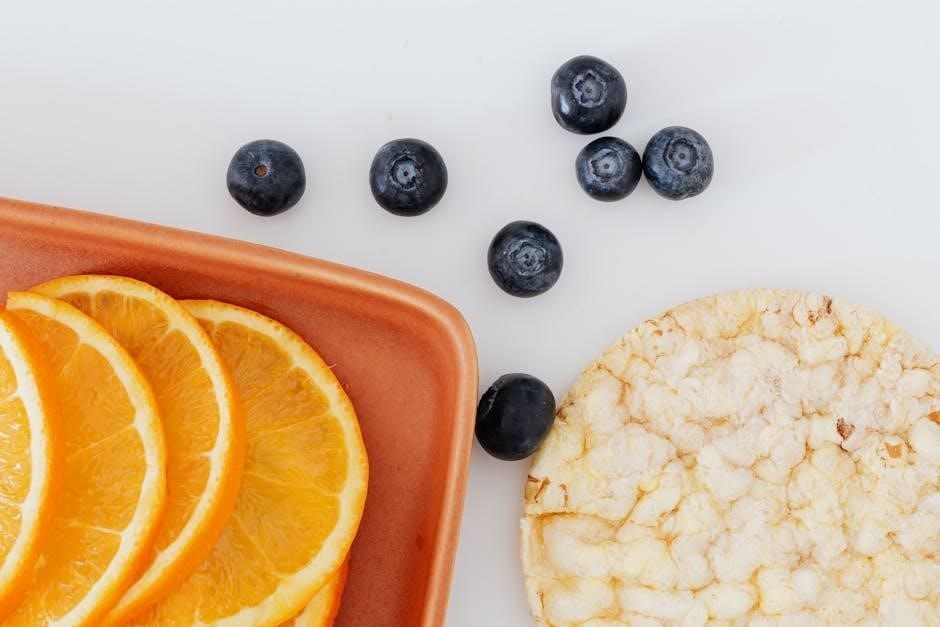
Excellent choices include a small handful of nuts (approximately 1 ounce), a piece of fruit (1 medium), or 6-8oz of plain, low-fat yogurt․ Consider pairing an apple slice with a tablespoon of nut butter for sustained fullness․
Hard-boiled eggs (2 eggs) provide protein, while vegetable sticks with hummus offer fiber and healthy fats․ Avoid processed snacks high in sugar and unhealthy fats, as these can derail your progress․ Smart snacking is key to sticking to your plan!
Hydration & Beverage Choices
A successful 1600 calorie meal plan, often outlined in a PDF guide, prioritizes adequate hydration․ Water should be your primary beverage, aiming for at least 8 glasses daily․ It aids digestion, boosts metabolism, and helps control appetite․
Unsweetened tea and coffee can be included in moderation, but limit added sugars and creamers․ Avoid sugary drinks like soda and juice, as they contribute empty calories․ Sparkling water with a slice of lemon or cucumber offers a refreshing alternative․
Proper hydration supports overall health and enhances the effectiveness of your calorie-controlled diet․ Remember, thirst can sometimes be mistaken for hunger!